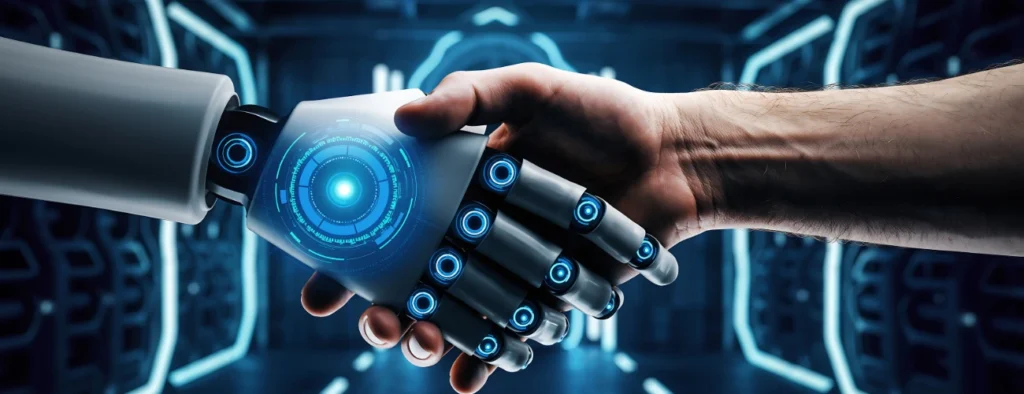
How Websites Will Think and Adapt Using AI
Websites are no longer static digital brochures. They are evolving into intelligent systems that respond to user behavior, context, and intent in real time. As artificial intelligence becomes more embedded across the internet, websites are beginning to think, learn, and adapt instead of simply displaying information. This shift is redefining modern web development. Businesses now expect websites to improve automatically, personalize experiences, and support growth without constant manual updates. Understanding how websites will think and adapt using AI is becoming essential for anyone investing in professional web development services. From Static Websites to Intelligent Digital Systems Traditional websites follow fixed rules. Every visitor sees the same structure, content, and flow. Intelligent websites operate differently. They continuously adjust based on real world data. This evolution is driven by: As expectations grow, both business websites and ecommerce web development projects are moving toward adaptive digital systems rather than static builds. How Websites Learn From User Behaviour AI powered websites learn by observing how users interact with different elements. Each action provides insight into intent and preference. Key learning signals include: These insights allow websites to refine user journeys automatically, improving outcomes without constant manual intervention from development teams. Adaptive Content and Personalized Experiences One of the most noticeable outcomes of intelligent websites is personalization. Instead of delivering a single experience to all users, content and layouts adapt dynamically. Adaptive experiences may include: In ecommerce web development services, this level of personalization plays a major role in improving engagement, average order value, and conversion rates. Self Optimizing Performance and User Experience Intelligent websites do not rely only on initial optimization. They continuously monitor performance and improve over time. Self optimization focuses on: This ensures websites remain fast, stable, and user friendly even as traffic and functionality increase. Intelligent Decision Making Behind the Scenes Much of how websites think happens beyond what users see. AI supports smarter decision making that improves efficiency and reliability. Examples include: These capabilities reduce operational effort while increasing consistency across digital platforms. Why Adaptive Websites Matter for Businesses Adaptive websites provide long term value because they evolve with user behavior and market changes instead of becoming outdated. Key benefits include: For businesses investing in web development services, adaptability is becoming a core requirement rather than an optional feature. Preparing Websites for Intelligent Adaptation Websites do not need advanced AI features on day one. Preparation starts with building a strong technical foundation that supports future adaptation. Important preparation steps include: These fundamentals are especially important for businesses planning long term ecommerce web development or complex digital platforms. Conclusion Websites are entering a new stage of digital evolution. Instead of remaining static, they are becoming intelligent systems that learn, adapt, and improve continuously. This change is reshaping how websites are planned and built. As intelligent experiences become the norm, businesses that invest in adaptable foundations and future ready web development services will be better positioned to grow, compete, and succeed in an evolving digital landscape.