
Digital Marketing
Top Digital Marketing Company
GoodFirms · 2026
APP MAINTENANCE
Protect mobile product continuity through monitoring, incident response, operating system and SDK updates, release control and a prioritised improvement backlog.
70+
Sites and Apps
4 to 6
Weeks for MVPs
95%
Client Retention
TRUSTED BY TEAMS ACROSS 18+ INDUSTRIES










Digital Marketing
GoodFirms · 2026
PPC Management
Clutch · 2026

PPC Management
Clutch · 2026

Web Development
TECHIMPLY · 2026

Digital Marketing
DesignRush · 2025

IT Service Management
Clutch · 2025

SEO Services
Clutch · 2025

Social Media Marketing
DesignRush · 2025

Web Development
DesignRush · 2025
BUILD CAPABILITIES
Support should separate urgent incidents, platform compatibility, routine maintenance and planned product change.
Discuss Your BuildPRODUCT CONTINUITY
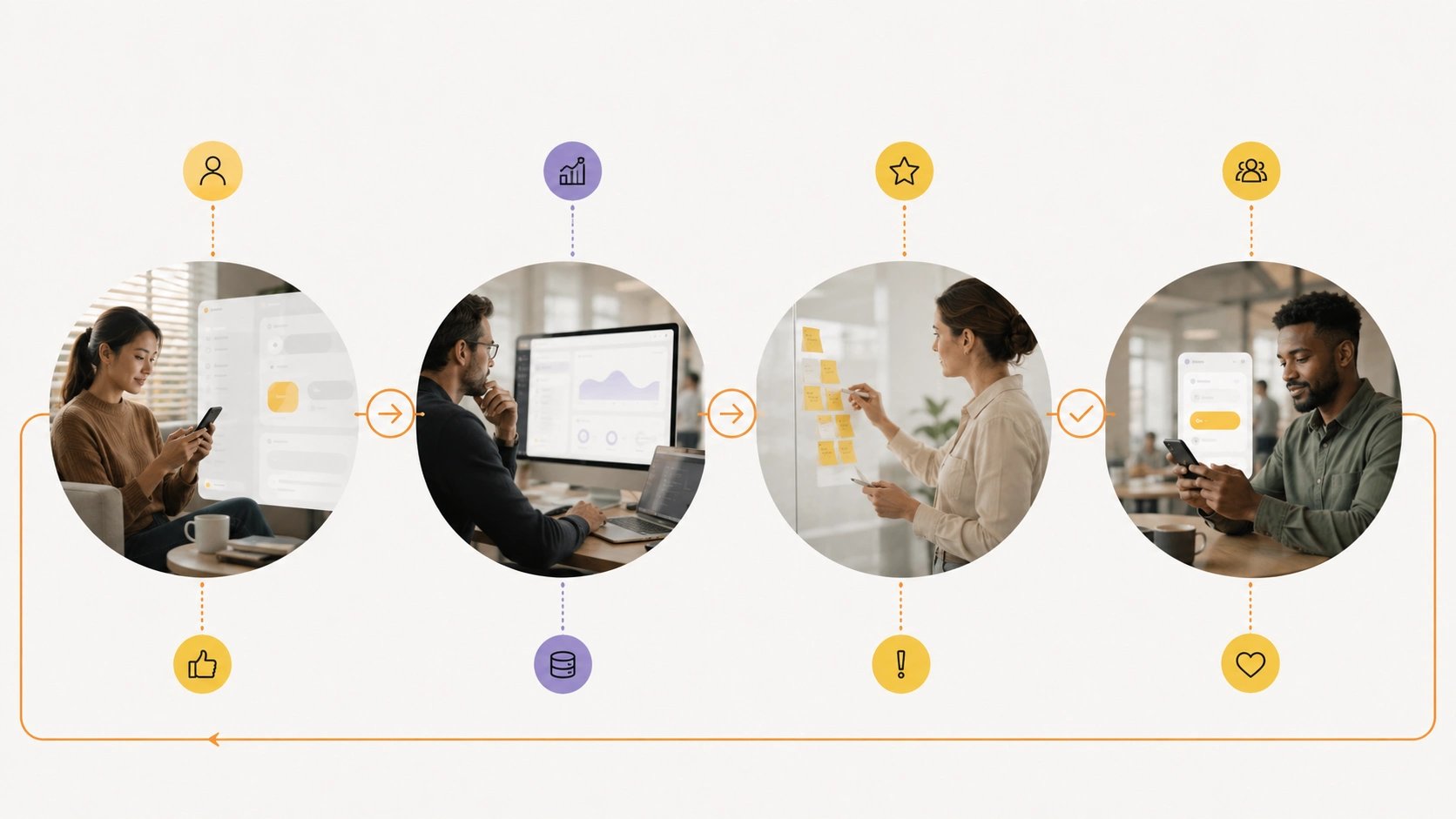
Support begins with access, code, environments, signing, platform accounts, dependencies, documentation and known issues. We review how the app is built and released before accepting responsibility. Products created by another team may need stabilisation, backup or monitoring work before reliable response commitments can be made.
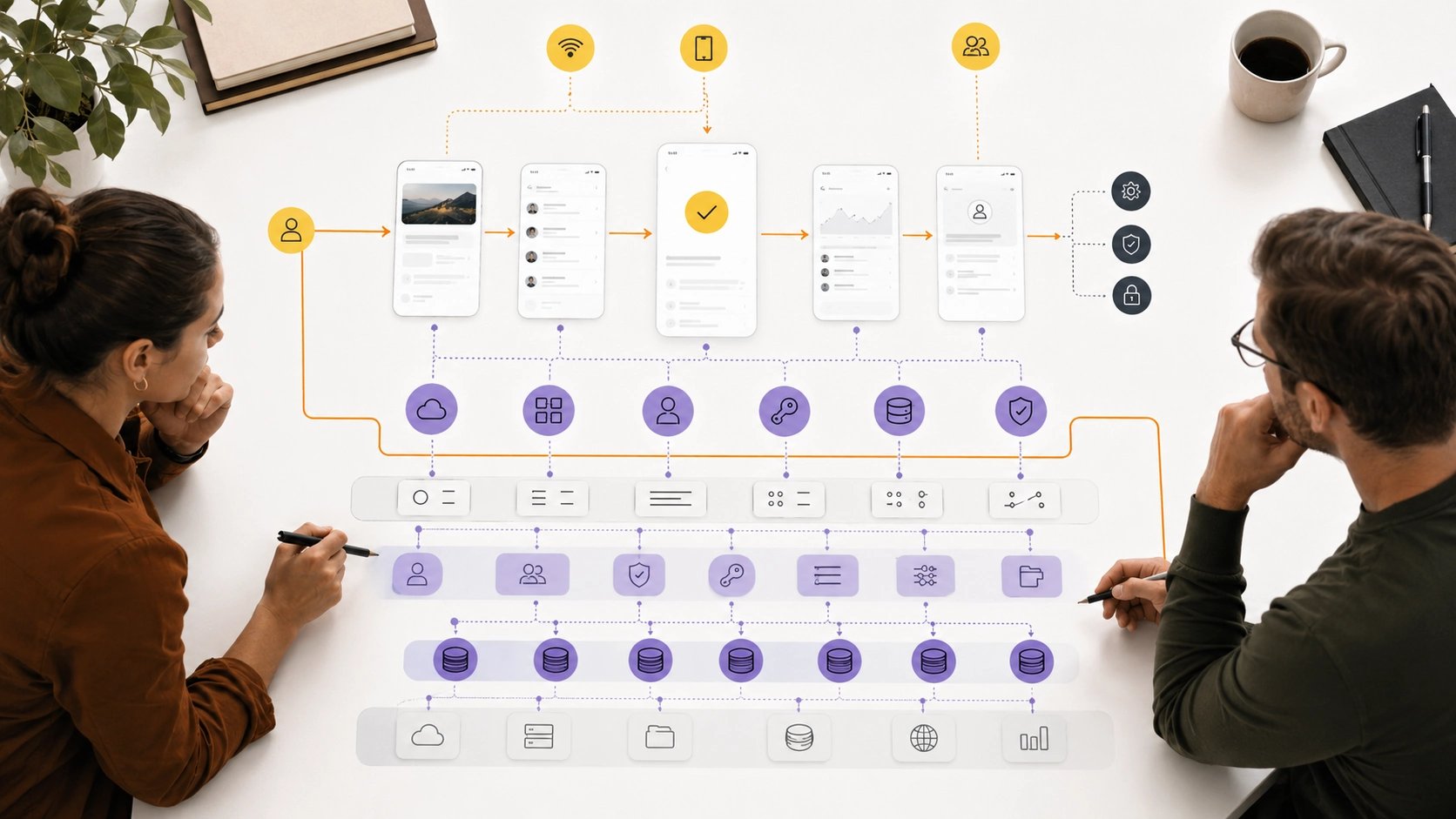
A crash in a primary transaction is different from a small visual defect. We classify incidents by affected users, journey importance, security, data risk and available workaround. This creates a clearer response model and prevents routine requests from competing with issues that stop people using the product.
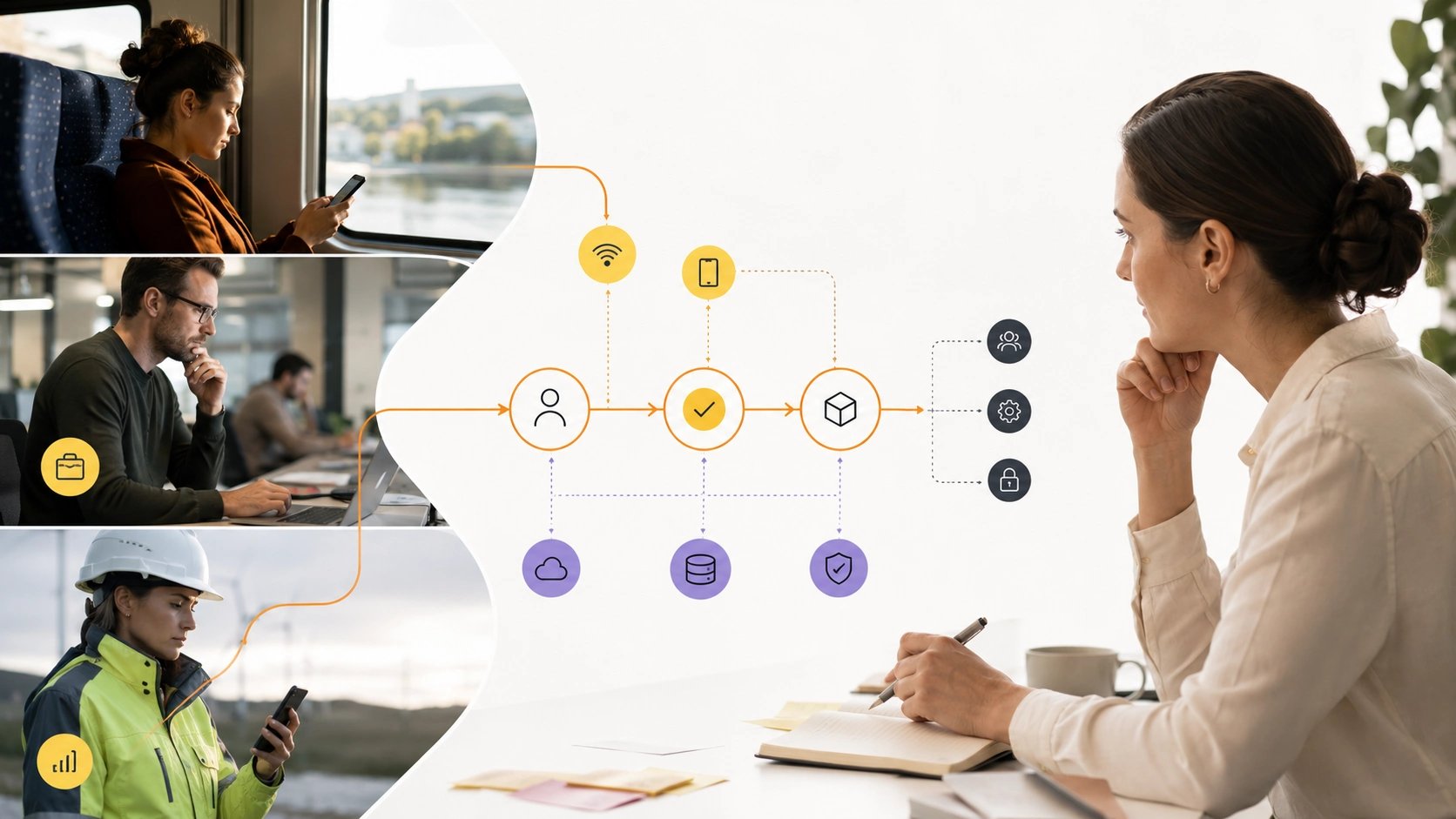
Operating systems, target requirements, SDKs, plugins and third party services evolve. We review changes, test compatibility and plan updates before unsupported dependencies or store requirements block future releases. Every update is assessed for product impact rather than applied blindly to production.
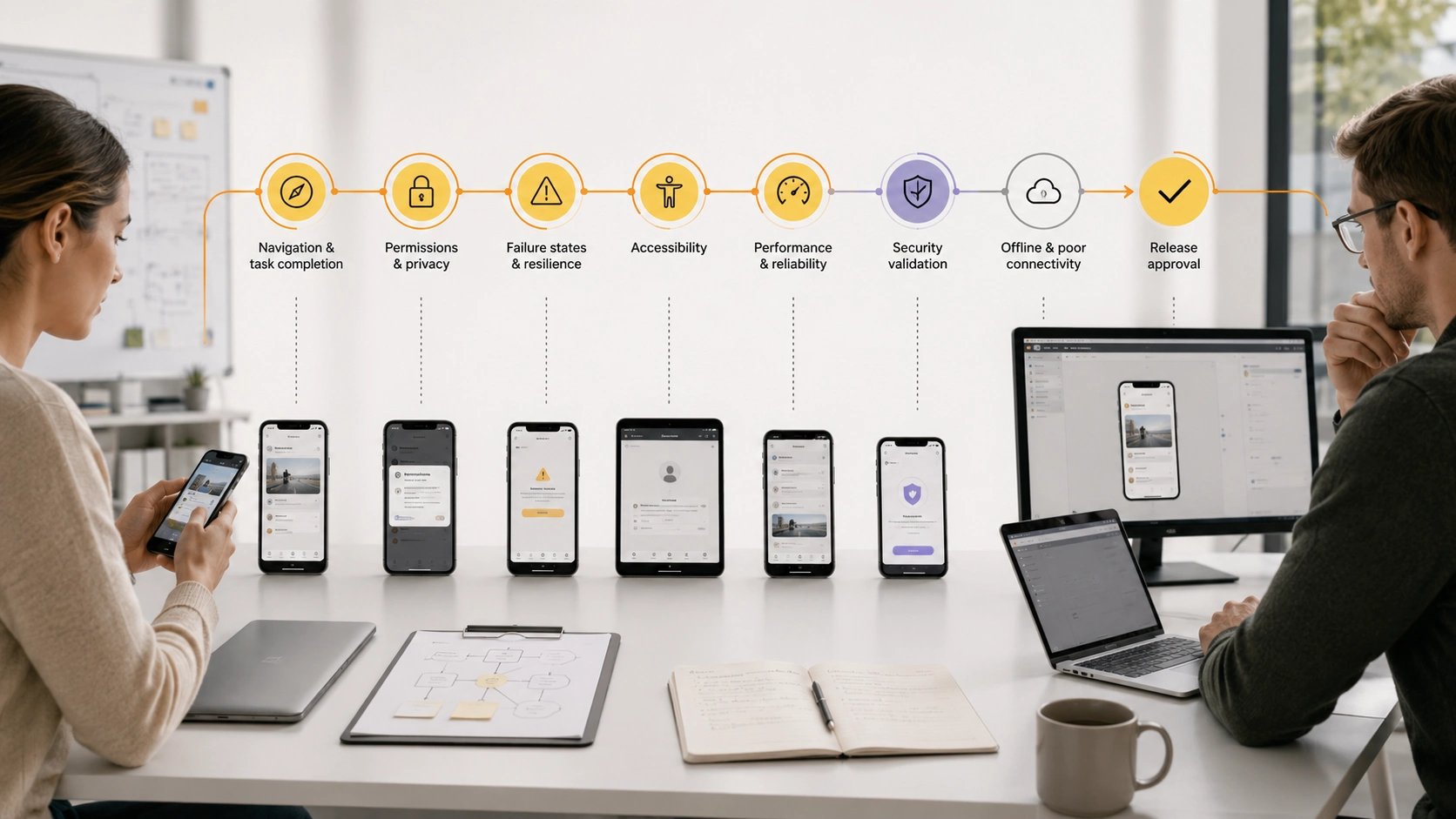
Fixes and improvements move through source control, review, test builds, device checks, approval and distribution. Monitoring continues after release so regressions can be identified quickly. The client retains visibility into what changed, why it changed and which product or technical work remains in the backlog.
We select from the fixed development stack according to product experience, architecture, integrations, deployment, maintenance and the team responsible after launch.
43+
tools & platforms
Step 01 of 06
Review source code, environments, signing, platform accounts, dependencies, documentation, monitoring and the known issue backlog.
Step 01 of 06
Review source code, environments, signing, platform accounts, dependencies, documentation, monitoring and the known issue backlog.
Review source code, environments, signing, platform accounts, dependencies, documentation, monitoring and the known issue backlog.
The service model is defined around the product's risk, release frequency and required response ownership.
Reproduce and trace reported behaviour across the app, backend, device and external services.
Review reliability signals and important journey failures where suitable monitoring exists.
Assess framework, library, plugin and SDK changes before controlled implementation.
Address agreed vulnerabilities, access concerns and platform security requirements by risk.
Investigate startup, rendering, network, memory and backend causes of user visible slowness.
Coordinate builds, testing, approval, store submission, monitoring and release documentation.

Verified on Google Reviews
“Absolutely Exceptional – There are truly no words to fully justify the incredible professionalism and unmatched work ethics that Flashyminds brought to our project. ”
Neeraj Pathania
Atulya Kanchi Camps
Co-founder

Verified on Sortlist
“Flashymind team was very cooperative and listened to every aspect and feedback in a very constructive way ensuring delivery abide expectations.”
Ashish Ranjan
Arja For Wildlife
Founder
Verified on Google Reviews
“Great team , I had an excellent experience working with flashyminds . Their team is responsive and committed to delivering results. Highly recommend. ”
Sravan
Edurights India
Managing Director
A fixed industry taxonomy keeps every page, filter, and icon aligned while editors can still add useful short descriptions.
Ecommerce Development
Aug 19, 2026 · 6 min read
A storefront creates sustainable growth only when product, inventory, pricing, account, order, fulfillment, return, and customer-service information remains consistent across the.
By Research Team
Read articleSEO
Aug 19, 2026 · 6 min read
Marketplace filters can create millions of URL combinations, so indexability should follow stable customer demand and useful landing-page value rather than every possible.
By Research Team
Read articleWeb Development
Aug 19, 2026 · 6 min read
A corporate website should help procurement and risk teams verify the company, capability, safety, quality, accessibility, delivery process, and responsible contacts before.
By Research Team
Read articleApp maintenance can include monitoring, issue diagnosis, bug fixes, operating system and target updates, dependency maintenance, security work, performance investigation, release management and planned improvements. The exact service level depends on the product, code quality, user impact and release frequency. Flashyminds separates incidents, routine maintenance and new features so response expectations and budgets remain clear.
PLAN THE RIGHT BUILD
Share the product goal, users, current systems, required platforms, integrations, content readiness and release expectations. We will identify the clearest next step and the decisions needed before delivery.


